Living in Guanacaste: The Charm of Coastal Life in Costa Rica
Living in Guanacaste: The Charm of Coastal Life in Costa Rica
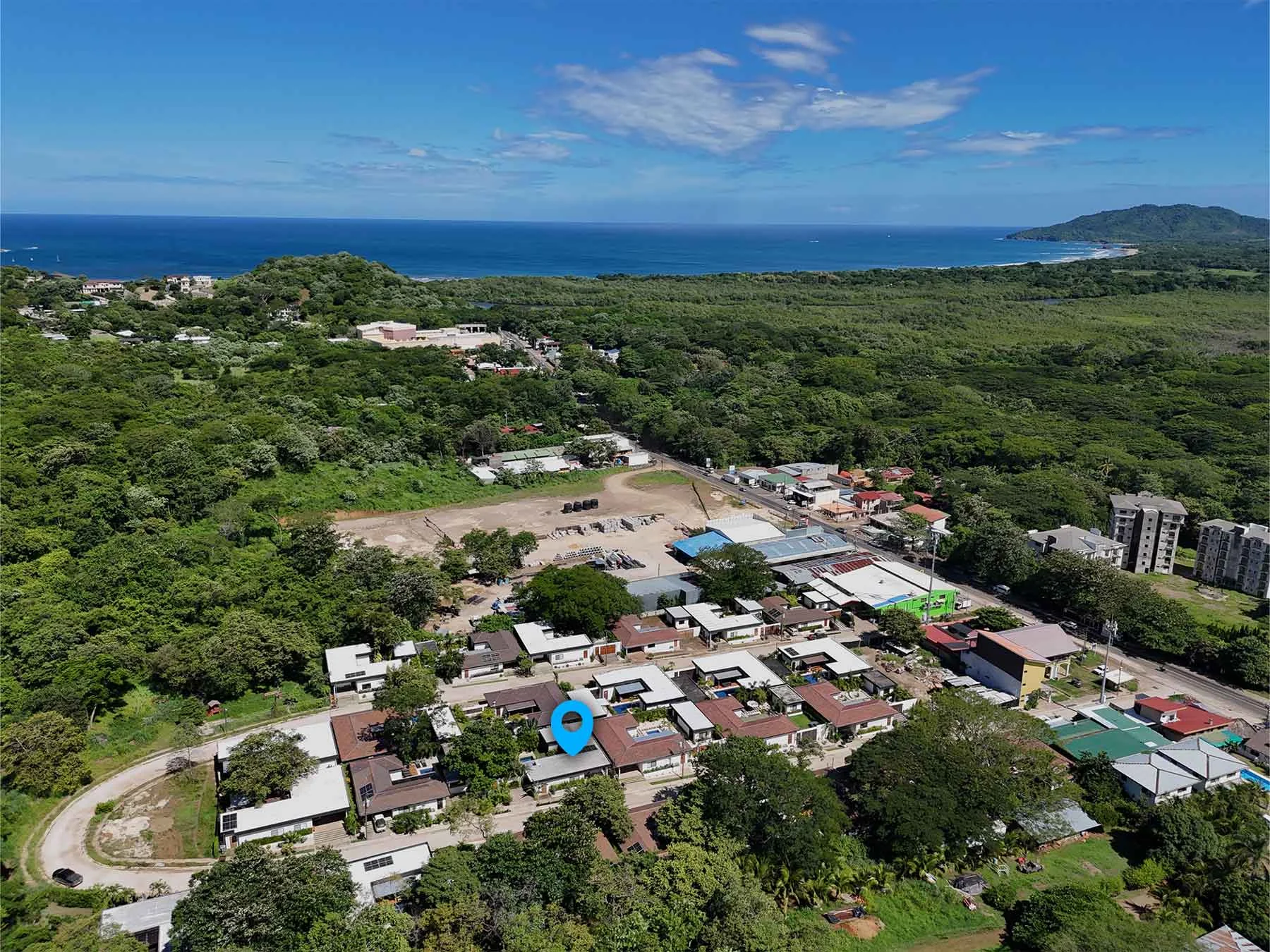
Guanacaste — Costa Rica's northwestern Pacific province — has become one of the country's most established expat zones. Tamarindo, Flamingo, Playa del Coco, Nosara, and the surrounding beach communities collectively host several thousand foreign residents and an even larger seasonal population. Living here is different from visiting. This article walks through what daily life actually looks like, what to expect during the dry-season versus green-season cycle, and what kind of resident finds Guanacaste a genuine fit versus a frustrating compromise.
The geographic shape of expat Guanacaste
Guanacaste's foreign-resident population concentrates around three nodes:
- Tamarindo and Playa Langosta — the most international, surfer- and tourist-driven, dense restaurant and bar scene, mid-tier to high-end pricing.
- Flamingo, Potrero, and the Marina area — quieter, more retiree-oriented, sportfishing-driven culture, generally higher-end pricing.
- Nosara — yoga and wellness focus, most distinct cultural identity, premium pricing, smaller and more intentional community.
Each has a different daily rhythm. Tamarindo feels like a small international beach town. Flamingo feels like a quiet retirement community. Nosara feels like a high-end wellness retreat that became a town.
Climate as the dominant daily factor
Guanacaste's defining climatic feature is its dry season — December through April — which produces some of Costa Rica's most consistent sunny weather. Average dry-season temperatures run 80–95°F at the coast, with low humidity and reliable trade winds. Beach weather is essentially perfect for those four months.
The green season (May–November) is the inverse. Daily afternoon thunderstorms, high humidity, and warmer nights. The transformation is stark — landscapes go from dry-tropical brown to vivid green within weeks of the first rains. Tourist density drops dramatically; restaurants reduce hours; some businesses close entirely until December.
Most full-time residents adapt their schedules to the season. Outdoor activities concentrate in the morning before afternoon storms in green season. Social events cluster differently. Many residents leave for several weeks in the worst of the rains (September–October) and return for the start of dry season.
Daily life rhythm
A typical Guanacaste resident's week:
- Early morning beach walk or yoga class — almost universal, the climate makes early outdoor time mandatory.
- Late-morning errands at local supermarkets (AutoMercado, Pali, MaxiPali) and the weekly farmer's markets (ferias).
- Lunch at home or at one of the many casual restaurants serving sodas and casados.
- Afternoon "work-from-home" if remote, or naps and indoor reading during peak heat.
- Late afternoon swim, paddleboard, or surf as the heat softens.
- Sunset on the beach — a daily social ritual.
- Dinner at a beach restaurant or at home with friends.
The pace is slower than urban North America but more active than the stereotype suggests. Healthy retirees here describe being more physically active than they were in their pre-retirement lives.
Practical living cost
A comfortable couple lifestyle in Tamarindo or Nosara runs approximately $3,000–$4,500/month, with substantial variation based on housing choice. Per Senderos CR's 2026 cost of living guide:
- 2BR home rental: $1,500–$3,000/month
- Groceries: $500–$800/month
- Utilities (with AC): $200–$400/month
- Healthcare (Caja + private): $300–$500/month
- Transportation: $200–$350/month
- Recreation and dining: $400–$800/month
The math is meaningfully cheaper than coastal Florida or California living, comparable to or cheaper than Mexico's coastal expat zones, and roughly 25–35% more expensive than inland Costa Rica (Lake Arenal, Atenas).
The community dynamic
Guanacaste's expat community is large enough to support sub-cultures. Surfers cluster around specific beaches and bars. Yoga and wellness practitioners cluster around Nosara. Sportfishing enthusiasts cluster around Flamingo Marina. Retirees with grandchildren visiting find each other through informal networks. Families with kids cluster around the bilingual schools.
The community is also more transient than full-time-residential expat zones like Lake Arenal. A meaningful share of "residents" are actually part-time — splitting time between Costa Rica and a North American base. Long-term integration takes longer because the cast of friends rotates more.
Health and emergency services
The regional public hospital is Hospital Enrique Baltodano in Liberia, roughly 45–60 minutes from most Guanacaste expat areas. Liberia also hosts CIMA Hospital, a North American-quality private hospital with English-speaking staff. The 45-minute drive is meaningful in a serious emergency but workable for routine and elective care.
Local clinics (private and Caja) handle non-emergency care. Quality varies; expats typically build relationships with one or two specific doctors over time.
What does not work for some residents
Honest acknowledgment of Guanacaste's limitations:
- Heat and humidity in green season are real and require lifestyle adjustment.
- Tourist density in dry season can feel overwhelming if you sought rural quiet.
- Ocean lifestyle requires work — beach maintenance, salt-air corrosion of vehicles and electronics, pool maintenance.
- Cultural immersion is partial — large enough international community that English-only living is possible, which prevents deep integration with Costa Rican neighbors.
- Property turnover — neighbors change more than in retirement-stable U.S. communities.
Guanacaste fits the buyer who wants ocean-life with North American conveniences, accepts tropical heat, values international community variety, and prefers a destination people actively travel to over a town that just happens to exist. Different from inland Costa Rica in nearly every measurable way.
Who fits, who doesn't
Guanacaste fits buyers who want surfing, sportfishing, beach lifestyle, international community variety, and tropical-coast climate. It does not fit buyers who want temperate weather, deep cultural immersion, rural quiet, or year-round-residential community stability.