Playa Lagarto Eco Development – Nature, Privacy & Coastal Living in Guanacaste
Playa Lagarto Eco Development – Nature, Privacy, and Coastal Living in Guanacaste
Playa Lagarto sits on Guanacaste's coast as one of the area's lower-density beach zones, with a small expat presence and an emerging reputation for eco-conscious development. The area attracts buyers prioritizing privacy and conservation values over the dense international tourism of Tamarindo or Nosara. This article walks through what Playa Lagarto offers, what eco-development means in practice, and what a buyer should evaluate before committing.
The location and context
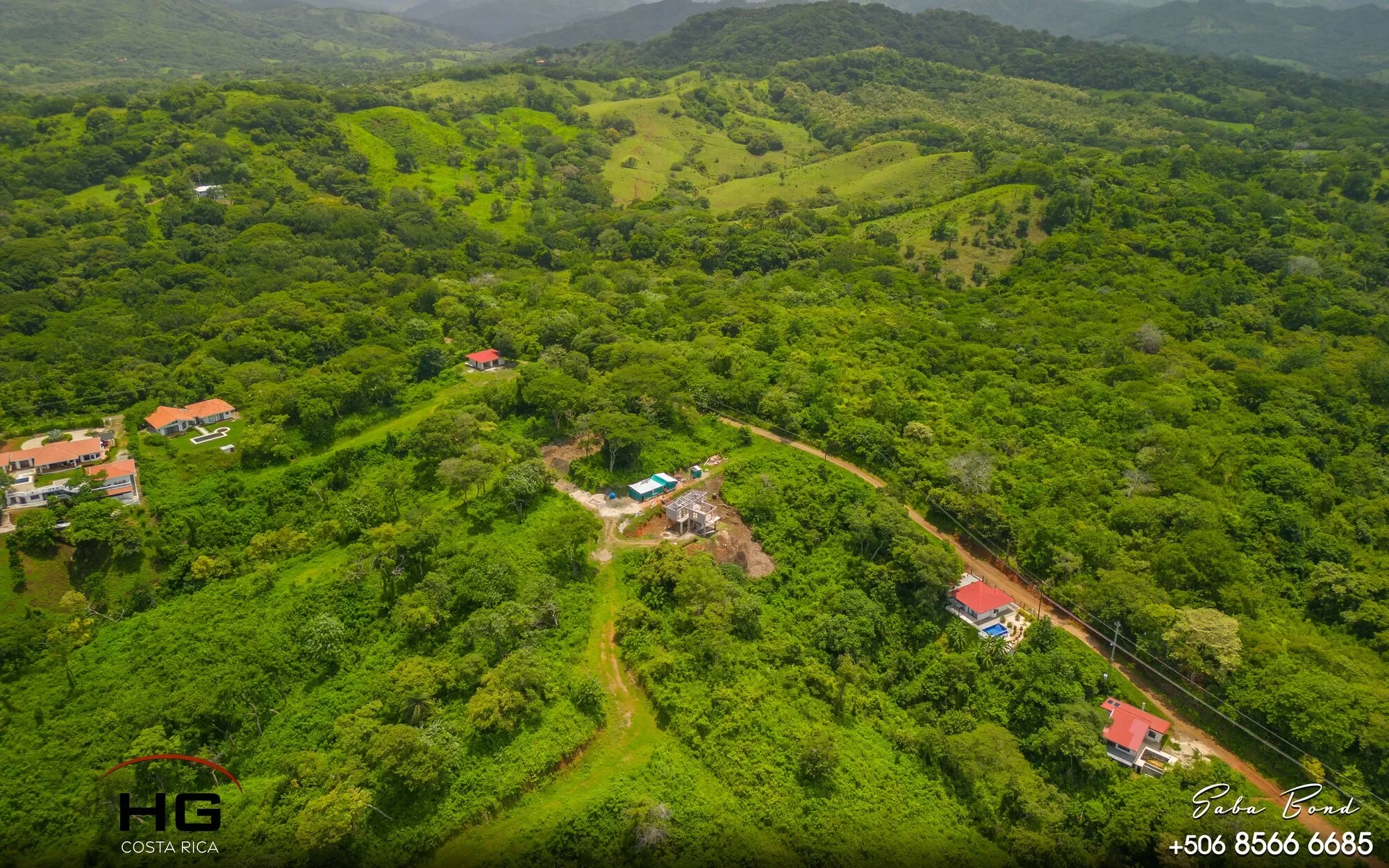
Playa Lagarto is a less-developed beach area between Tamarindo and the Nicoya Peninsula's interior. The community remains small — fewer than 200 residences across the broader area — and access requires unpaved roads passable by 4WD year-round. The lower density is both the area's appeal and its limitation.
The area's biological richness is genuine. Sea turtles nest seasonally on the beach. Howler monkeys, scarlet macaws, and other Central American Pacific wildlife are commonly seen. Adjacent protected zones constrain development density and support the area's conservation reputation.
What "eco-development" means in practice
The phrase is used loosely in Costa Rican real estate marketing. The substantive elements when properly implemented include:
- Building density limits: developments retain meaningful undeveloped area as common conservation space.
- Native vegetation requirements: landscape plans use endemic species rather than imported plantings.
- Water and energy efficiency: solar power, rainwater harvesting, gray-water systems, and similar features.
- Sustainable construction methods: locally sourced materials, low-impact foundations, careful site work.
- Wildlife corridor preservation: development siting that maintains connectivity for wildlife movement.
- HOA-enforced standards: deed restrictions and HOA bylaws that prevent later owners from compromising the conservation framework.
Buyers should verify which specific elements a development actually implements rather than accepting "eco" as a marketing label. Per MINAE's environmental framework, environmental commitments tied to specific permits create enforceable obligations; commitments that are merely marketing claims do not.
What buyers in this market typically prioritize
- Privacy and lower density over social density.
- Wildlife and biodiversity as part of the daily living experience.
- Tolerance for less-developed infrastructure: rougher roads, fewer restaurants, less retail.
- Year-round-residential lifestyle rather than vacation rental yield maximization.
- Long-term hold horizon: less liquid resale market than mainstream Guanacaste.
Investment considerations
Playa Lagarto and similar low-density Guanacaste areas typically offer:
- Lower entry pricing: 30–50% below comparable Tamarindo or Nosara properties.
- Lower vacation rental yield: smaller demand pool, less developed tourism infrastructure.
- Longer expected appreciation: as infrastructure improves and adjacent areas saturate, low-density coastal areas often appreciate strongly over 7–15 year horizons.
- Smaller liquidity: when you sell, the buyer pool is narrower; plan for 12–24 month sale timelines.
Due diligence specifics for the area
Beach lots near low-density areas have specific verification requirements:
- Maritime Zone status: confirm fee-simple vs. concession property categorization.
- Environmental classification: most lots in conservation-adjacent zones fall into SETENA D1 categories requiring environmental impact study before construction.
- Water source and capacity: small ASADAs serve some lots; capacity for new connections is sometimes constrained.
- Road access year-round: drive in October to verify access during heavy rainy season.
- HOA structure and enforcement: review the conservation easements and deed restrictions; verify they have been enforced historically.
Eco-development in Costa Rica is a meaningful real estate category when the conservation commitments are tied to enforceable instruments — environmental permits, registered easements, HOA deed restrictions. It is a marketing label without substance when those mechanisms are absent. Buyers should verify which version a specific development actually offers.
Who fits this market
Playa Lagarto and similar lower-density Guanacaste coastal communities fit buyers who value privacy and biodiversity over social density and tourism amenities, who can plan for 7–15 year holds, and who are comfortable with rougher infrastructure. The same characteristics make these markets a poor fit for buyers seeking active vacation rental income or Tamarindo-style international community.